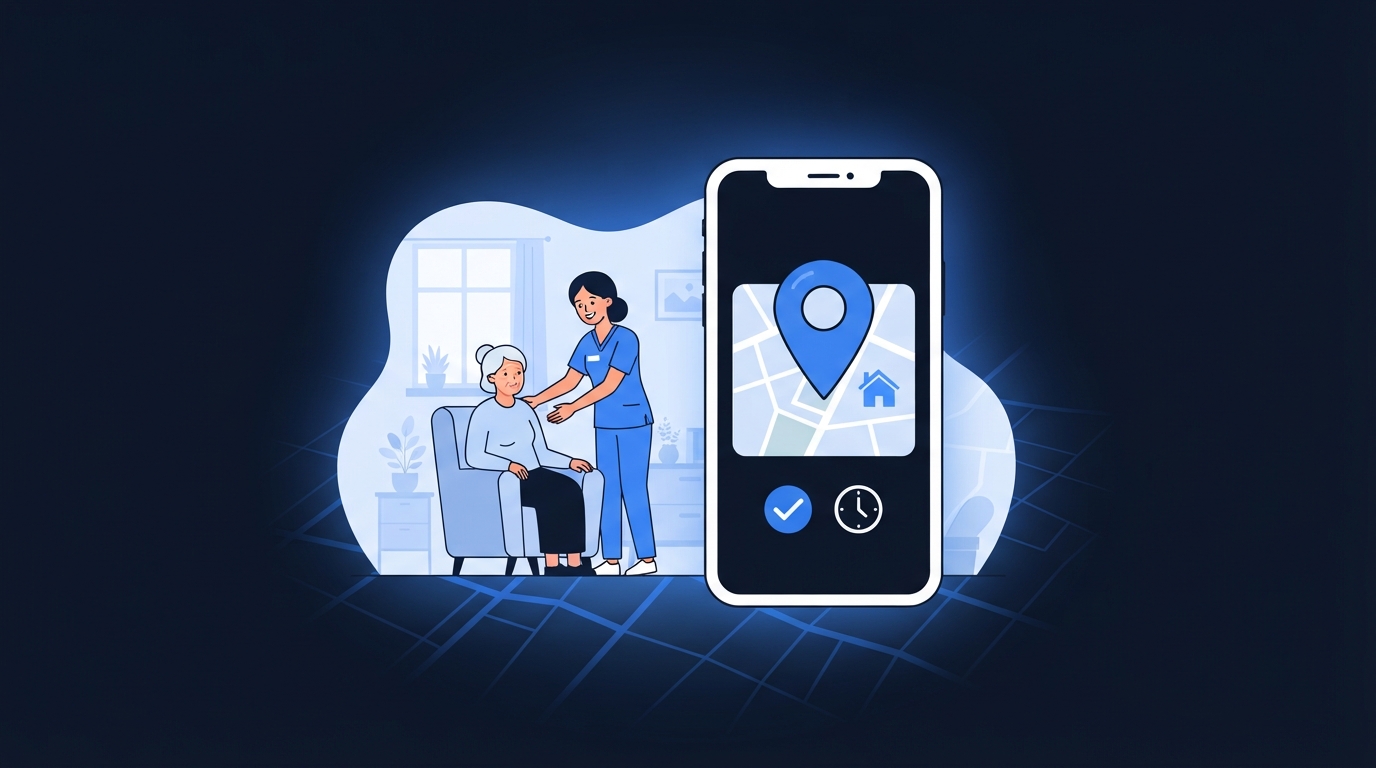
When agencies analyze exit interviews, "the app" rarely gets named as the headline reason a caregiver quit. But dig one layer deeper — into complaints about confusing schedules, clock-ins that don’t work, or having to call the office because the app couldn’t answer a simple question — and bad software is very often the quiet force behind caregiver frustration.
Caregivers are mobile-first workers. Most manage their entire job — schedule, documentation, communication — from a phone between visits. If that phone experience is clunky, it doesn’t just create annoyance. It creates real operational friction: missed clock-ins, incomplete documentation, and caregivers who feel like the job is harder than it needs to be.
What a bad caregiver app looks like
- Clock-in that fails or lags, leaving caregivers unsure if a visit was recorded
- No visibility into upcoming shifts beyond a single day
- Care plans that are hard to find or require multiple taps to access mid-visit
- No direct line to the office — every question requires a phone call
- Confusing or duplicate documentation requirements
What a 5-star caregiver app actually delivers
The best-rated caregiver apps share a few consistent traits: clock-in that works reliably in one tap with clear GPS confirmation, a schedule view that shows the full week at a glance, care plans and documentation accessible in the moment they’re needed, and built-in messaging so a question gets answered without leaving the app.
The retention connection
Caregivers who feel confident in their tools show up to shifts more prepared and stay longer. A caregiver who clocks in smoothly, can pull up a care plan in seconds, and can message the office directly when something’s unclear experiences far less day-to-day friction than one fighting with a broken app between visits. That friction compounds — and it shows up in turnover numbers.
Agencies that switch to a genuinely well-built mobile experience consistently report caregivers mentioning the app unprompted as a reason they stayed, not just a tool they tolerated. In an industry where turnover is the single biggest cost center, that’s not a minor detail — it’s a retention strategy.