Starting a home care agency is one of the most accessible ways to build a healthcare business — no medical degree required, real demand driven by an aging population, and a path to profitability that doesn’t require years of capital investment. It also has more moving pieces than most first-time owners expect. Here’s the roadmap.
Step 1: Choose your business structure and licensing path
Most home care agencies operate as either private pay (non-medical companion and personal care) or licensed Medicaid/waiver providers. Private pay generally has a lighter licensing lift and faster time to launch; Medicaid enrollment adds requirements — state licensure, provider enrollment, and often a certificate of need in some states — but opens up a much larger client base. Decide which model fits your market and capital before you register the business.
Step 2: Handle the legal and insurance foundation
- Register your business entity (LLC is standard for most agencies)
- Obtain a general liability and professional liability insurance policy
- Get bonded — many states and payers require it
- Apply for an NPI number if you plan to bill Medicaid or insurance
- Secure your state home care agency license, if required
Step 3: Build your compliance foundation before you hire
Before your first caregiver walks in the door, you need policies covering client intake, care plan development, incident reporting, and EVV compliance if you’ll be billing Medicaid. Agencies that build this foundation early avoid the scramble of retrofitting compliance processes once they already have clients and staff.
Step 4: Hire and onboard your first caregivers
Your first few caregivers set the tone for your agency’s culture and reputation. Post to multiple job boards simultaneously, run background checks before day one, and get onboarding documents signed digitally so a caregiver can go from application to first shift in days, not weeks. Speed here directly affects whether you can staff your first clients on time.
Step 5: Land your first clients
Referral sources — discharge planners, social workers, physician offices, and senior living communities — are the highest-converting channel for new agencies, well ahead of paid advertising. Build relationships with 10-15 local referral sources before you spend a marketing dollar elsewhere.
Step 6: Set up scheduling, EVV, and billing from day one
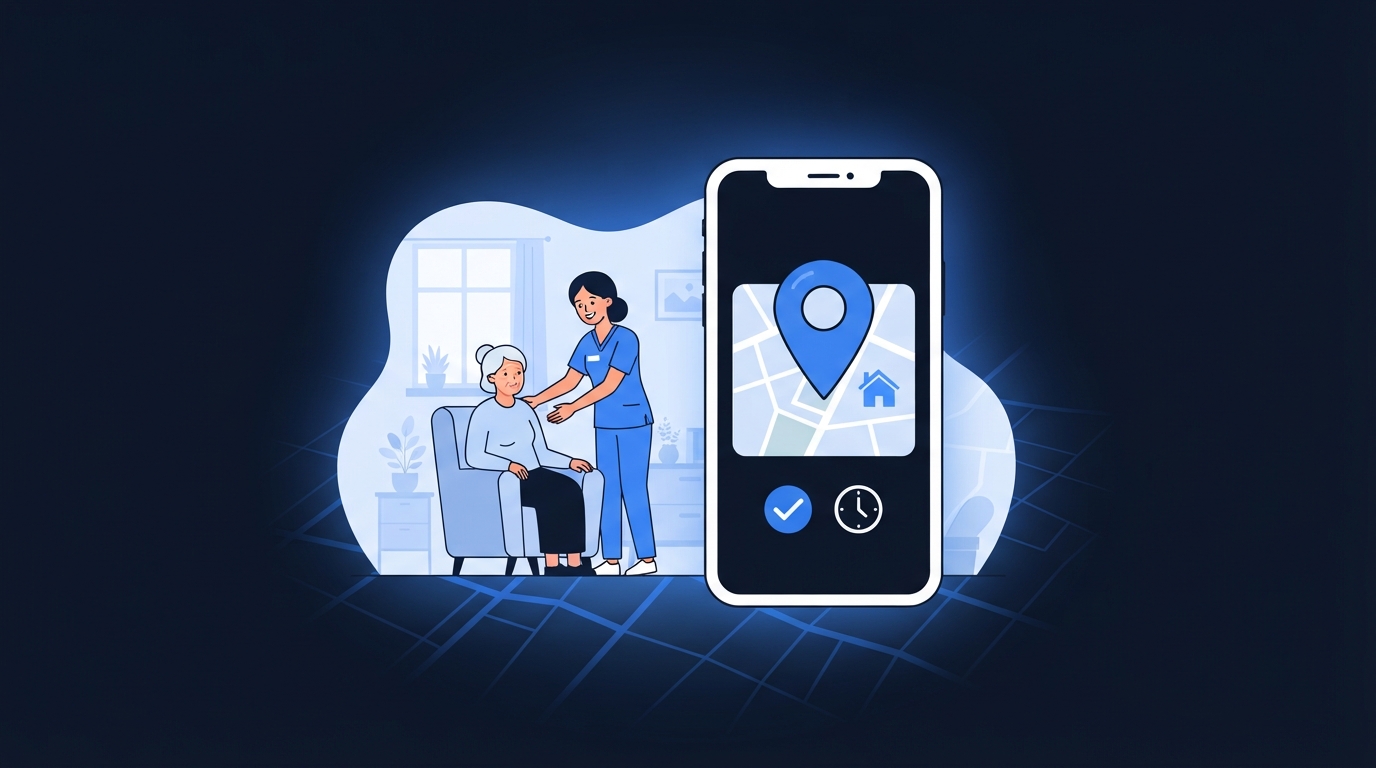
The single biggest mistake new agency owners make is delaying software until they "have enough clients to justify it." In reality, the habits and systems you build with your first three clients are the ones you’ll be running with your first three hundred. Starting with GPS-verified EVV, automated scheduling, and connected billing from day one means you never have to unwind a spreadsheet-based system later.
Most agencies that follow this roadmap can go from incorporation to their first billed visit in 60-90 days. The agencies that struggle are almost always the ones that skip the compliance and systems foundation to move faster — and end up paying for it in denied claims and staff turnover a few months in.